


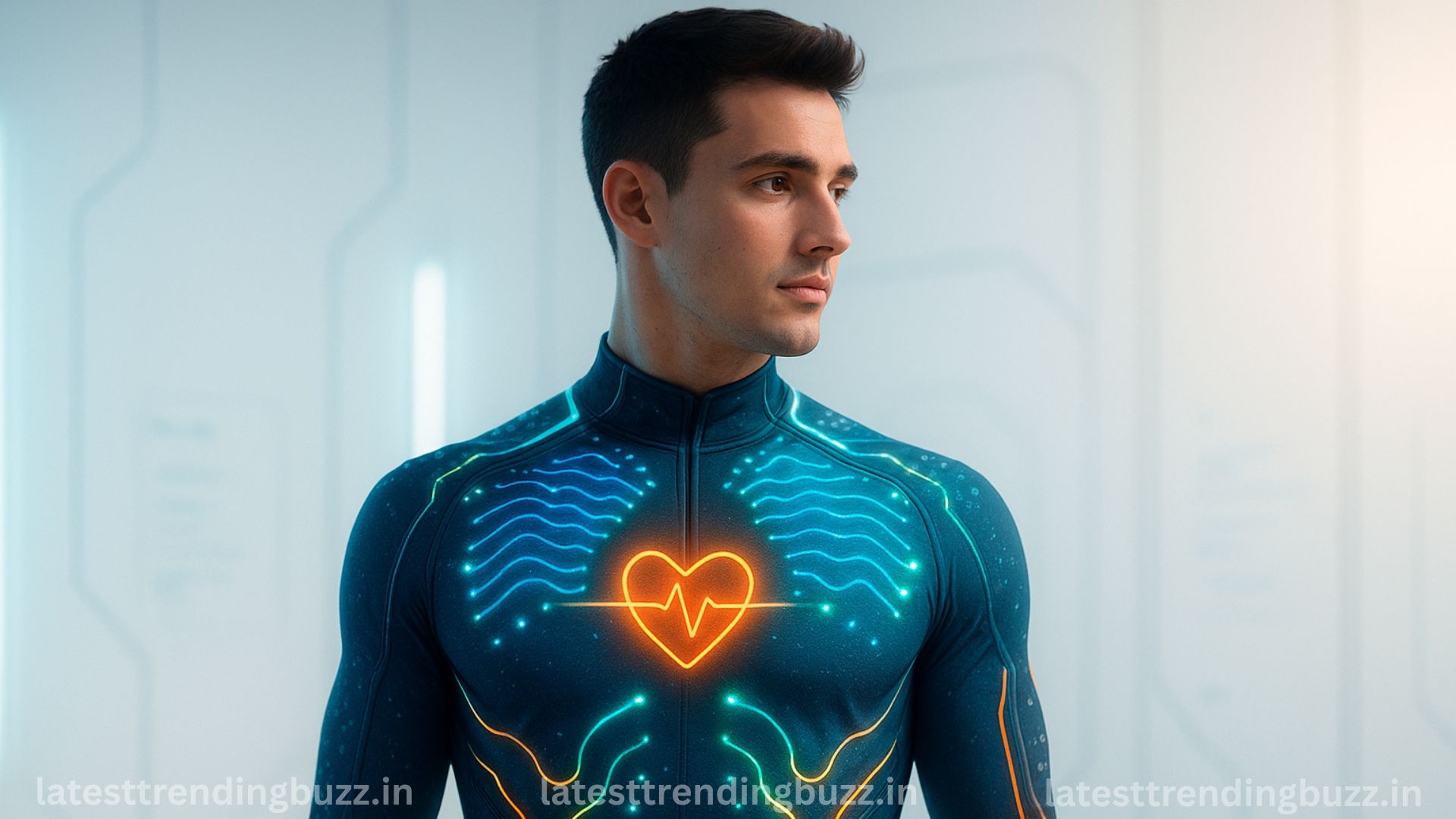
In 2026, fashion is no longer just about looking good — it’s about feeling alive.
Welcome to Bio-Clothing latest 2026, where your outfit doesn’t just dress you — it heals, monitors, and protects your body using living fabrics infused with nanotechnology and biotechnology.
From smart shirts that track your heart rate to self-healing jackets that repair cuts, Bio-Clothing latest 2026 is redefining what we wear — transforming fashion into a fusion of life science and style.
What Is Bio-Clothing latest 2026?
Bio-Clothing latest 2026 refers to wearable garments made with smart bio-fabrics that contain nanomaterials, embedded biosensors, and sometimes even living microorganisms that interact with your body.
These aren’t just passive clothes — they’re active systems that can:
- Detect your health metrics (like temperature, heart rate, and glucose).
- Deliver medicine through the skin.
- Repair themselves when torn.
- Regulate temperature dynamically.
- Even grow or decompose naturally over time.
Imagine an outfit that breathes with you, heals minor injuries, or tells you when you’re stressed. That’s the reality of Bio-Clothing latest 2026 — living fashion meets intelligent wellness.
Also Read: Orbital Tourism Latest 2026 — India’s Journey to the Stars
The Science Behind Bio-Clothing latest 2026
The innovation in Bio-Clothing latest 2026 comes from integrating three scientific fields:
1. Nanotechnology
Tiny nanofibers and nano-sensors woven into the fabric detect vital signs, monitor sweat composition, and release medication when needed.
2. Biotechnology
Living materials — like genetically engineered bacteria or algae — are embedded in the fibers to create breathable, self-regulating fabrics that react to your biology.
3. Artificial Intelligence
AI algorithms analyze real-time data from the fabric’s sensors and communicate insights to your smartphone or smartwatch — making your clothing a health partner.
This triad of nano + bio + AI makes Bio-Clothing latest 2026 the most intelligent apparel humanity has ever designed.
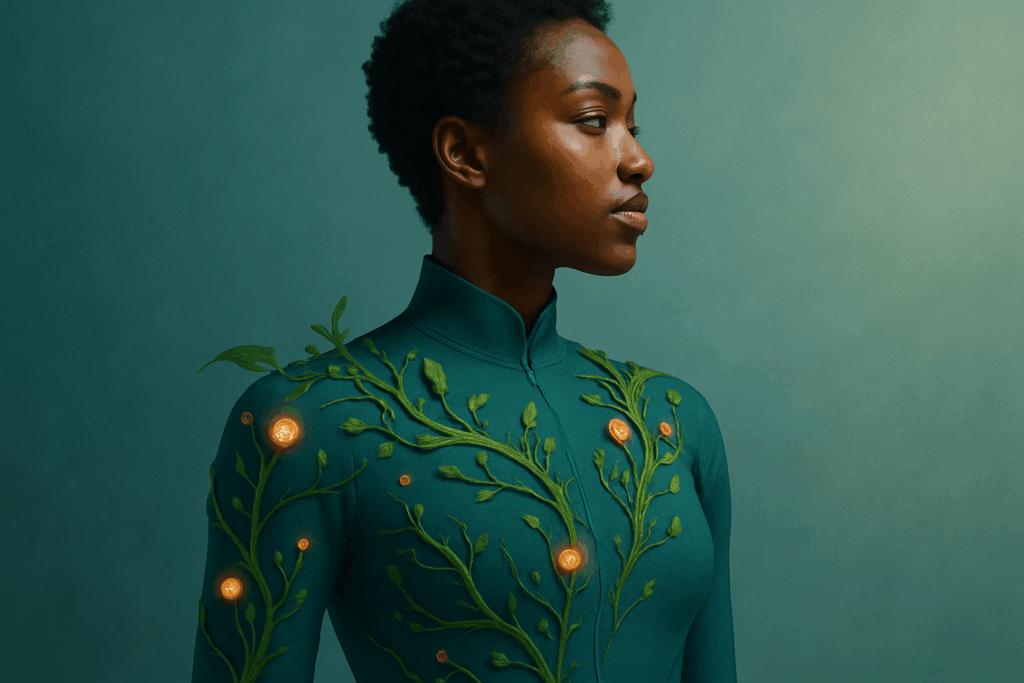
Examples of Bio-Clothing in 2026
By 2026, several futuristic designs are hitting the market:
- HealWear™ by MIT Labs: T-shirts that detect muscle strain and apply localized warmth automatically.
- ReLeaf by Biotex India: Jackets coated with living moss fibers that purify the air around the wearer.
- NanoFit™ Suits: Formal wear that adjusts tightness and breathability using muscle sensors.
- Oura BioSkin Fabric: Underwear with nanotech for real-time hydration and hormonal balance monitoring.
India, especially Bengaluru and Pune, has become a hub for startups developing Bio-Clothing latest 2026, combining biotechnology with sustainable fashion.
How Bio-Clothing latest 2026 Heals and Monitors
The healing and monitoring process happens through smart micro-reactions inside the fabric.
Healing:
- Microcapsule Technology: Tiny capsules embedded in the fibers release healing agents (like aloe, vitamins, or antiseptics) when the fabric detects skin abrasion.
- Self-Repairing Polymers: Molecular bonds realign when the fabric is cut or torn — closing gaps naturally.
Monitoring:
- Biosensors: Track blood oxygen, heart rate, posture, and stress hormones through sweat.
- Real-Time Alerts: Data syncs with your phone, sending early warnings for dehydration, fatigue, or illness.
Your outfit essentially becomes your personal doctor — stylishly disguised as everyday wear.
Sustainability and Eco-Design
Bio-Clothing latest 2026 isn’t just high-tech — it’s eco-tech.
Fashion’s biggest problem — waste — is being solved by materials that are biodegradable, regenerative, or even compostable.
Fabrics like Mycelium Leather (grown from fungi) and Algae Silk (produced using bio-reactors) dominate the sustainable fashion scene.
Indian designers are leading this green wave, creating eco-conscious luxury lines using plant-based biomaterials that heal the environment as much as they heal the body.
India’s Role in the Bio-Clothing Revolution
India’s bio-fashion industry is booming. With a strong base in biotechnology and textile manufacturing, the country is positioning itself as a global Bio-Clothing hub by 2027.
Startups like:
- BioWeave India — creates fabrics that monitor cardiac activity.
- ThreadGenix Labs — growing living bacterial silk for eco couture.
- Nirma BioWear (Ahmedabad) — produces uniforms with built-in medical response systems.
ISRO and DRDO have also shown interest in Bio-Clothing latest 2026 for astronaut and soldier applications — integrating oxygen regeneration and heat control fabrics.

Also Read: Digital Afterlife Latest 2026 — When Death Meets Data
Health and Lifestyle Impact
The health benefits of Bio-Clothing latest 2026 go beyond tracking — they actively improve wellness.
Benefits Include:
- Better Posture: Adaptive shirts vibrate gently to correct spinal alignment.
- Wound Healing: Bio-fabrics promote cell regeneration using embedded proteins.
- Mental Wellness: Emotion-sensitive fabrics adjust texture or color based on mood, helping reduce anxiety.
- Immune Support: Some fabrics emit low-level negative ions that improve body balance and oxygen flow.
Essentially, fashion becomes medicine — worn daily.
Fashion Meets Function
Designers are embracing the fusion of science and art.
Bio-Clothing latest 2026 is redefining haute couture — turning laboratories into fashion studios.
Runway trends include:
- Color-Morphing Dresses: Change hue with temperature or emotion.
- Pulse-Responsive Jewelry: Glows subtly with heartbeat rhythm.
- Eco-Armor Jackets: Made from mushroom leather, resistant yet breathable.
Celebrities, athletes, and eco-activists are turning these designs into the next big style movement.
The Future: Adaptive Living Wardrobes
By 2030, Bio-Clothing latest 2026 will evolve into adaptive wardrobes — systems where your clothes communicate with your home, car, and health devices.
Imagine this:
- Your shirt alerts your AI assistant that you’re dehydrated.
- Your bed adjusts firmness for recovery.
- Your fridge suggests hydration foods.
Everything in your ecosystem responds to your biology.
Challenges Ahead
Even with breakthroughs, Bio-Clothing latest 2026 faces some real-world challenges:
- Affordability: High R&D costs make early products expensive.
- Ethical Use: Data privacy and biometric security remain concerns.
- Durability: Bio-fabrics may require specific maintenance.
- Public Adoption: Some may feel uneasy wearing living materials.
However, as costs drop and trust grows, experts believe Bio-Clothing latest 2026 will become as common as smartphones.
FAQs — Bio-Clothing Latest 2026
1. What is Bio-Clothing latest 2026?
It’s intelligent apparel using biotech, nanotech, and AI to monitor health and even heal the body.
2. Can it actually heal wounds?
Yes — through embedded microcapsules that release natural healing compounds upon skin contact.
3. Is it safe to wear living materials?
Absolutely. All bio-fabrics are sterile, lab-tested, and non-toxic.
4. Can it replace fitness trackers?
Yes — it integrates all major health monitoring features directly into your outfit.
5. Is Bio-Clothing available in India?
Yes — Indian startups and designers are pioneering wearable biotech fashion lines.
Disclaimer
This article on Bio-Clothing latest 2026 is for informational and educational purposes.
Product availability and technology may vary by region. Always consult official manufacturers before purchasing wearable biotech apparel.
Conclusion: When Fashion Becomes a Living Extension
The Bio-Clothing latest 2026 revolution marks a turning point — fashion is no longer just self-expression, but self-evolution.
Clothes are transforming from passive layers into intelligent, healing ecosystems that merge science, art, and humanity.